
Pelvic Floor & GSM
- Kristyn Zalota
- 4 days ago
- 4 min read

Third in a series about Genitourinary Syndrome of Menopause
In Part 1 of this series, we covered what genitourinary syndrome of menopause (GSM) is and why it tends to get worse over time.
In Part 2, we looked at vaginal estrogen, the most well-evidenced treatment, and why systemic HRT alone often isn't enough.
This time, we're covering two pieces that often get left out of the conversation entirely: pelvic floor physical therapy and non-hormonal options for those who can't or don't want to use estrogen.
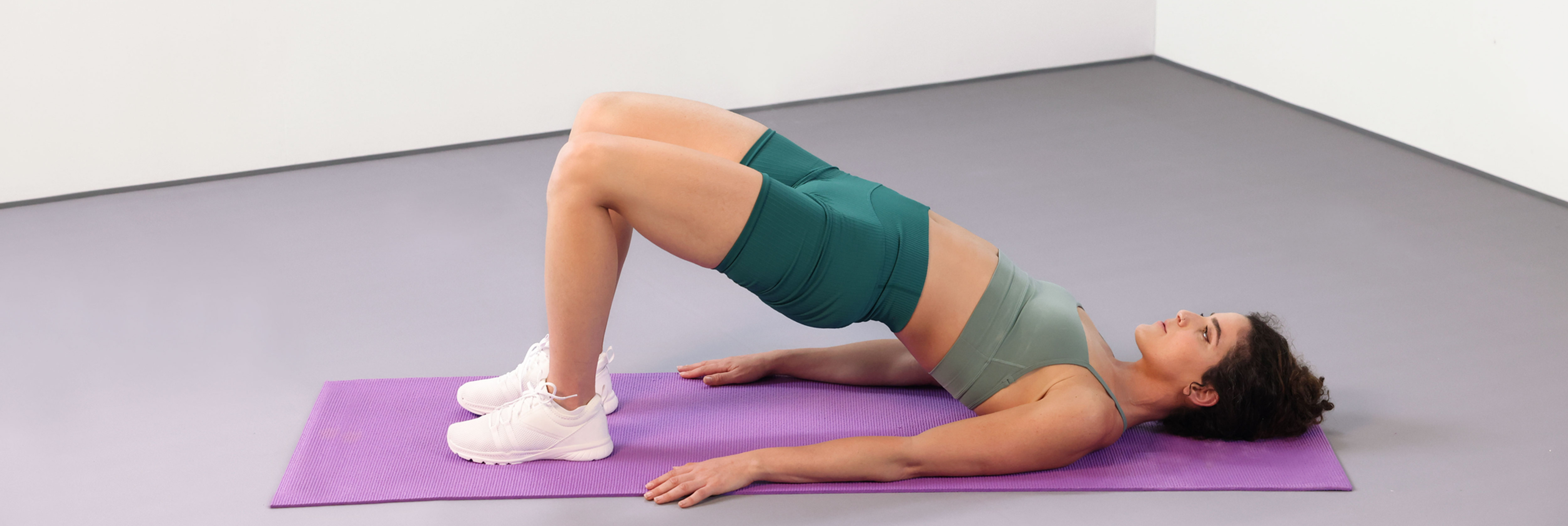
The missing piece: pelvic floor physical therapy
Vaginal estrogen addresses the tissue and hormonal side of GSM. But for many women, especially those experiencing pain during sex or urinary incontinence, there's a muscular component too, one that estrogen alone doesn't resolve.
The 2025 AUA/SUFU/AUGS clinical practice guideline on GSM specifically recommends referral to pelvic floor physical therapy when symptoms affect psychosocial or sexual wellbeing, and advocates for pelvic floor physical therapy as a first-line option, particularly for women experiencing pelvic floor dysfunction, urinary incontinence, or dyspareunia.
Pelvic floor physical therapy can involve pelvic floor muscle exercises, biofeedback, electrotherapy, manual therapy, and the use of dilators, all aimed at improving pelvic floor muscle patterning, blood flow, and tissue elasticity (a 2019 review on treatment of overactive pelvic floor).
This matters because estrogen and pelvic floor muscle function are two separate mechanisms. A woman can be using vaginal estrogen consistently and still experience pain during sex or leaking with exercise, if pelvic floor muscle tension or weakness is also part of the picture. In that situation, adding pelvic floor physical therapy alongside vaginal estrogen, rather than relying on estrogen alone, is often what actually resolves the remaining symptoms.
Stress incontinence: a case where this distinction really matters
Leaking urine when you cough, sneeze, laugh, jump, or run, medically known as stress urinary incontinence, is a good example of where estrogen alone and pelvic floor physical therapy each play a distinct role. Estrogen loss affects the tissue and blood supply supporting the urethra, but pelvic floor muscle weakness, often from childbirth, aging, or both, is frequently the more significant driver of stress incontinence specifically.
Pelvic floor muscle training is considered the strongest-evidenced first-line, non-surgical treatment for stress incontinence, women who regularly practice pelvic floor exercises are substantially more likely to become symptom-free compared with no treatment. Vaginal estrogen has supportive evidence for improving incontinence symptoms too, but the evidence for it is less consistent than for pelvic floor muscle training alone. In practice, the two are usually best used together, one addressing the tissue, the other addressing the muscle.
Non-hormonal options
For women who can't or prefer not to use vaginal estrogen, there are non-hormonal alternatives worth knowing about:
Vaginal moisturizers and lubricants can help with dryness and discomfort during sex, though they don't address the underlying tissue changes the way estrogen does. A small pilot trial comparing vaginal hyaluronic acid suppositories to vaginal estrogen cream found no significant difference in symptom scores at 12 weeks, a useful non-hormonal comparator, though the trial was small.
Ospemifene, an oral selective estrogen receptor modulator, is FDA-approved for treating dyspareunia related to GSM, with randomized, placebo-controlled trial evidence supporting its use.
Energy-based therapies (vaginal laser) remain a unsettled area. Some reviews, including a 2024 international consultation, found laser therapy showed strong effectiveness for genitourinary symptoms in a network meta-analysis. However, the AUA/SUFU/AUGS 2025 guideline, drawing on an AHRQ/PCORI systematic review, did not find sufficient evidence to support energy-based therapies as an established treatment. This is a real, current disagreement between credible expert bodies, worth knowing about rather than treating either position as fully settled.
Bringing it together
The most effective approach to GSM usually isn't a single treatment, it's often a combination: vaginal estrogen (or a non-hormonal alternative) for the tissue, pelvic floor physical therapy for the muscle, and moisturizers or lubricants as needed for daily comfort. If you've only been offered one piece of this, that's likely why symptoms haven't fully resolved.
If there's one thing to take from this whole series, it's this: GSM is common, it's treatable, and it deserves a real conversation with your doctor, not a shrug. If you'd like to go deeper on any of this, that's exactly what The Vagina Talk is for.
This article is for educational purposes only and does not constitute medical advice. Always consult your doctor about your specific symptoms and treatment options.
References:
AUA/SUFU/AUGS Clinical Practice Guideline on Genitourinary Syndrome of Menopause. American Urological Association. 2025.
Overactive pelvic floor: treatment review, 2019.
Christmas MM, et al. Menopause hormone therapy and urinary symptoms: a systematic review. Menopause. 2023;30(6):672-685.
Portman DJ, Palacios S, Nappi RE, et al. Ospemifene, a non-oestrogen selective oestrogen receptor modulator for the treatment of vaginal dryness and dyspareunia in postmenopausal women: a randomised, placebo-controlled, phase III trial. Maturitas. 2014.
Simon JA, Goldstein I, Kim NN, et al. The role of androgens in the treatment of genitourinary syndrome of menopause (GSM): ISSWSH expert consensus panel review. Menopause. 2018;25(7):837-847.
Simon JA, Nappi RE, Chedraui P, et al. Genitourinary syndrome of menopause (GSM): recommendations from the Fifth International Consultation on Sexual Medicine (ICSM 2024). Sexual Medicine Reviews. 2025.


Comments